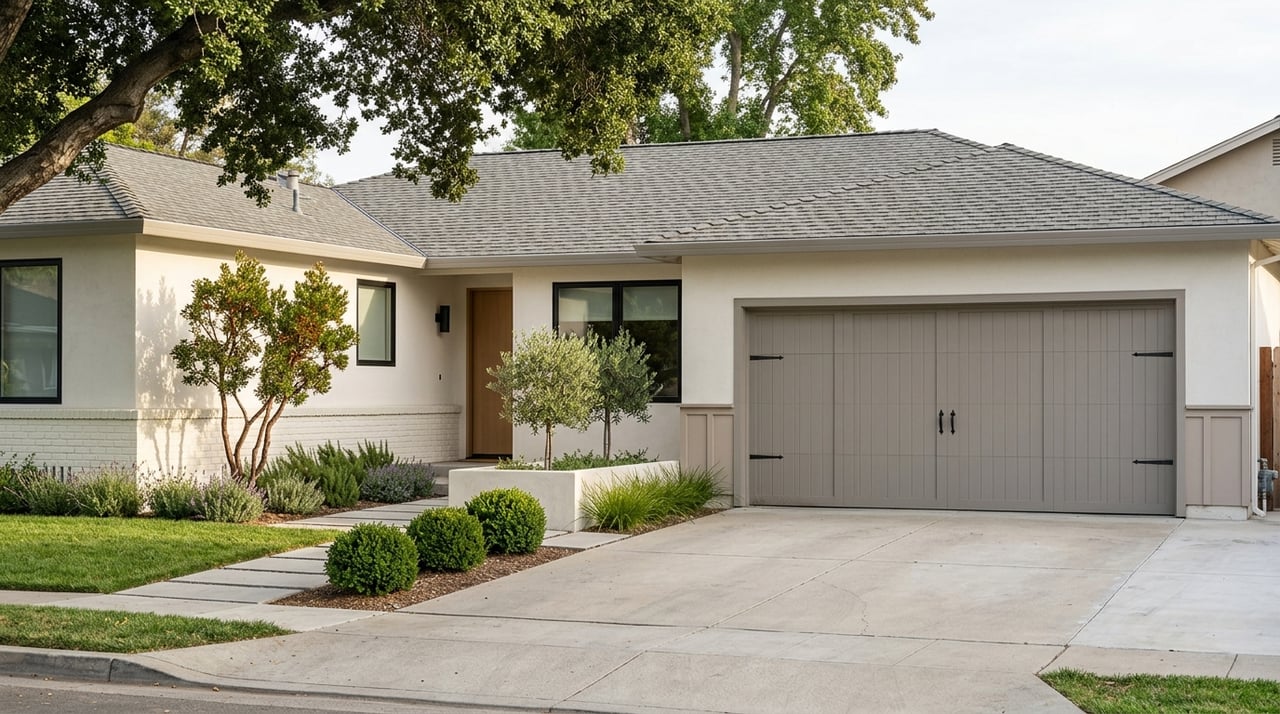
Wondering why one part of Danville feels historic and walkable while another feels like a newer planned community or a hillside estate setting? You are not imagining it. Danville has a layered housing pattern shaped by different eras of growth, and understanding those differences can make your home search or sale much clearer. If you want to know how Danville’s home styles and micro-neighborhoods really break down, this guide will help you read the town with more confidence. Let’s dive in.
Why Danville Feels So Varied
Danville is not one uniform suburban market. Town planning documents describe a community shaped by three broad development eras: the historic Old Town core, older west-side and ridge-adjacent neighborhoods, and newer planned communities along Camino Tassajara and Tassajara Ranch.
That matters because your experience can change a lot from one pocket to the next. You may find older ranch homes on larger lots in one area, custom hillside properties in another, and newer townhomes or detached homes in a more master-planned setting farther east.
The town is also mostly built out, with limited infill and redevelopment in select areas, especially downtown and a few later-developing subareas. In practical terms, that means most Danville neighborhoods already have a defined look and rhythm, which can help buyers narrow their search and help sellers understand how their home fits into the larger local picture.
Danville Home Types at a Glance
At a basic level, Danville includes a mix of:
- Single-family homes
- Townhomes
- Condominiums
- Apartments
Still, the bigger story is not just property type. It is how housing age, lot size, street layout, and architectural style shift from one micro-neighborhood to another.
Downtown and Old Town Danville
Downtown Danville is the town’s historic center, and it has the most distinct architectural identity. The Town’s Downtown Master Plan and municipal code describe a mix of historic buildings and architectural styles in a pedestrian-friendly setting.
In this area, you are more likely to see styles such as:
- Gothic Revival
- Victorian
- Vernacular
- Victorian Stick
- Neoclassic Rowhouse
- Queen Anne Cottage
- Traditional commercial storefronts
- Craftsman and California Bungalow
This part of Danville tends to feel smaller in scale and more connected to civic spaces than large residential tracts. Town Green, Prospect Park Plaza, the library, community center, Village Theatre/Art Gallery, and the Iron Horse Regional Trail all help reinforce downtown as one of the town’s most walkable pockets.
What Buyers Notice Downtown
If you are drawn to character, proximity to downtown amenities, and a more historic streetscape, this area often stands out. The visual identity is also supported by town standards that encourage traditional styles and help maintain the downtown feel over time.
What Sellers Should Know Downtown
If you own in or near the downtown core, buyers often respond to more than just square footage. They may also value architectural character, access to civic amenities, and the pedestrian-friendly setting, all of which can shape how your home is perceived in the market.
West-Side Danville and Las Trampas Hills
Along Danville’s western edge, the setting changes noticeably. The General Plan describes the Las Trampas Hills area as ridge-adjacent, with dense oak woodland, panoramic valley and Mount Diablo views, narrow rural streets, large lots, and private amenities.
Neighborhoods in this broader area include Starmont, Montair, and Sky Terrace. The housing mix includes older ranch-style homes and newer hillside estates, with most homes built in the 1960s and 1970s and some dating to the 1940s and 1950s.
The Feel of the West Side
This part of Danville often appeals to buyers who want a more established setting with mature trees, varied topography, and homes that do not all look the same. Instead of a more uniform subdivision layout, you often get a stronger sense of terrain and lot individuality.
Common Home Style Pattern
The west side tends to lean toward:
- Older ranch-style homes
- Large-lot residential settings
- Some newer hillside estate properties
- Streets with a more rural or semi-rural feel
Sycamore North and South
Sycamore North and South add another layer to older Danville. The General Plan describes homes here dating back to the early 1950s, with mature established neighborhoods along streets like La Questa Drive and Alamatos Drive.
The area is noted for a semi-rural character, ranch-style homes, mature vegetation, ample lot sizes, and narrow curbless streets. The same plan also notes newer neighborhoods north of Ramona Road and east of Diablo Road, which creates a visible age mix within the broader west and central Danville setting.
Why This Area Feels Established
For many buyers, this pocket offers the classic traits of an older neighborhood: mature landscaping, homes from different eras, and streets that feel less engineered than newer subdivisions. If you are comparing Danville by feel rather than just by price point or square footage, that distinction is important.
Diablo Road and the Hillside-Estate Corridor
If you picture Danville as polished, scenic, and estate-oriented, Diablo Road is one of the clearest examples. The General Plan describes newer subdivisions such as Diablo Creek and Woodcreek as executive-housing neighborhoods on large lots.
Architecturally, homes here can range from contemporary Craftsman to custom designs in styles such as French Chateau and Southern Colonial. The Town’s planning language also references details like wraparound porches, columns, dormers, and turrets.
What Sets Diablo Road Apart
This corridor is tied closely to the landscape. Danville describes Diablo Road as a scenic corridor and a gateway to Mount Diablo State Park, with oak-studded hillsides, mountain views, and a country-road character the Town strongly supports preserving.
For buyers looking for custom architecture, larger lots, and a more elevated hillside presentation, this is one of Danville’s defining pockets. For sellers, that means presentation often needs to highlight both the home itself and the surrounding setting.
East Danville and Sycamore Valley
Sycamore Valley is the town’s largest planning subarea at more than 2,500 acres. The General Plan describes it as a series of self-contained residential enclaves along Camino Tassajara, connected by pedestrian paths, bike lanes, and a trail corridor along Sycamore Creek.
This is where Danville’s newer planned-neighborhood pattern becomes much more visible. The area includes large single-family neighborhoods such as Wood Ranch, Northridge Hills, Northridge Estates, Anderson Ranch, and Diablo Highlands Estates.
It also includes duet or patio-home communities such as Belleterre, Meadowcreek, and Diablo Highlands Villas, along with townhomes like Meridian Place. That product mix makes East Danville especially relevant if you want more choices in housing type within one broader area.
What Buyers Often Like Here
This area can appeal to buyers who want:
- Newer neighborhood layouts
- Connected pedestrian and bike paths
- A range of home types
- Residential enclaves with a more planned feel
Because the homes and communities vary, this pocket can work for buyers seeking detached homes as well as those considering duet homes or townhomes.
Tassajara Ranch
Just east of Sycamore Valley, Tassajara Ranch is another newer Danville district. The General Plan describes it as largely built out, with both commercial and residential uses ranging from townhomes to single-family detached homes.
Most homes in this area were built after the relevant specific plans were adopted, which makes this one of Danville’s newer residential districts in both age and subdivision pattern. If you are trying to separate older Danville from newer Danville, Tassajara Ranch is one of the clearest dividing lines.
Lawrence Road, Alamo Creek, and California Meadows
The Lawrence and Leema Road area gives Danville yet another distinct residential pattern. According to the General Plan, this broader area includes neighborhoods of different ages, from homes dating back to the early 1950s to newer neighborhoods built from the late 1960s through the early 1980s.
The same planning section also references Hidden Valley as a late-1990s planned unit development with more than 200 homes. Nearby, the broader area includes California Meadows, Alamo Creek, Wendt Ranch, Monterosso, and the Willows townhomes.
Why This Pocket Matters
This area is useful to understand because it combines multiple eras and home formats. It is not purely older and not purely new, which can make it a strong option if you want a broader range of house sizes and neighborhood layouts.
The Town also notes that Alamo Creek includes smaller lots than some other parts of Danville, with home sizes ranging from about 1,700 square feet to over 4,000 square feet. That gives buyers another route into newer subdivision living with a wider size range.
The Simplest Way to Read Danville Styles
If you want a quick mental map, Danville home styles generally break down like this:
| Area | General Style Feel |
|---|---|
| Downtown / Old Town | Historic, small-scale, walkable, architecturally varied |
| West Side / Las Trampas Hills | Ranch-heavy, tree-shaded, ridge-adjacent, large-lot feel |
| Sycamore North and South | Mature, semi-rural, established ranch-style setting |
| Diablo Road Corridor | Custom, scenic, estate-oriented, larger lots |
| East Danville / Sycamore Valley | Newer, planned, product-diverse residential enclaves |
| Tassajara Ranch | Newer subdivision pattern with mixed home types |
| Lawrence / Alamo Creek / California Meadows | Mixed eras, varied sizes, newer-suburban options in places |
This is not a rigid rule for every street, but it is a useful way to understand how the town’s housing stock tends to cluster.
Parks, Trails, and Daily-Life Features
Neighborhood feel in Danville is shaped by more than homes alone. The Town operates more than 167 acres of parkland, including six community parks with features such as sports fields, picnic areas, bocce courts, dog parks, and walking trails.
Notable community amenities include Town Green downtown, Sycamore Valley Park near Camino Tassajara, Hap Magee Ranch Park, Oak Hill Park, and Diablo Vista Park in the Tassajara Ranch area. These spaces help reinforce the day-to-day identity of each pocket.
The Iron Horse Regional Trail also contributes to how some areas feel connected, especially around downtown and adjoining residential areas. For many buyers, these location details become part of what makes one micro-neighborhood feel like a better fit than another.
Commute and Access Considerations
For buyers balancing home style with transportation needs, Danville also offers a few clear commuter touchpoints. The Sycamore Valley Road Park and Ride sits at the I-680 interchange, has about 240 parking spaces, and serves as a County Connection stop.
The Town states that County Connection buses run between Danville and the Dublin/Pleasanton and Walnut Creek BART stations. Route 92x also connects the Danville Sycamore Park & Ride and the San Ramon Transit Center to the ACE station in Pleasanton.
That means when you compare Danville neighborhoods, it can help to weigh not only home age and style, but also how close you want to be to major roads, transit connections, and park-and-ride access.
Design Standards Shape the Market Too
One of the more overlooked parts of buying in Danville is that some of the town’s character is actively protected through policy. Downtown architectural standards encourage traditional styles and avoid chain-like design repetition.
Hillside and ridgeline areas are also subject to stricter review intended to minimize visibility, preserve views, and retain natural features. For buyers, that can help explain why certain areas have such a consistent visual identity. For sellers, it is a reminder that location value in Danville is often tied to long-term character preservation, not just current market trends.
How to Choose the Right Danville Pocket
If you are buying, start by thinking beyond price and bedroom count. Ask yourself whether you want historic character, a mature neighborhood feel, a large-lot hillside setting, or a newer planned community layout.
If you are selling, it helps to position your home within its exact Danville context. A downtown property, a west-side ranch home, and a newer East Danville home may all attract different buyers for different reasons, even if they are priced within a similar range.
Danville rewards a block-by-block understanding. That is especially true if you are relocating, moving up locally, or trying to decide between style, setting, and daily convenience. When you understand the town’s micro-neighborhoods, the market starts to make a lot more sense.
If you want help comparing Danville neighborhoods, evaluating home styles, or planning your next move in the East Bay, AJ Cohen offers local guidance backed by deep Danville market knowledge, thoughtful strategy, and a hands-on approach.
FAQs
What are the main home styles in Danville, CA?
- Danville home styles generally include historic Victorian-era and Craftsman influences in downtown, ranch-style homes in older west-side and central pockets, custom estate-style homes along scenic corridors like Diablo Road, and newer detached homes, duet homes, and townhomes in East Danville and Tassajara Ranch.
Which Danville neighborhoods feel the most historic?
- Downtown and Old Town Danville have the most clearly documented historic character, with preserved architectural styles and a pedestrian-friendly setting centered around civic and cultural amenities.
Which parts of Danville have newer planned communities?
- East Danville, Sycamore Valley, and Tassajara Ranch are the areas most associated with newer planned neighborhoods, with a mix of single-family homes, patio or duet homes, and townhomes.
Where can you find larger-lot or estate-style homes in Danville?
- Larger-lot and estate-oriented settings are most closely associated with the west-side ridge-adjacent areas and the Diablo Road corridor, where the Town describes executive housing, custom architecture, scenic hillsides, and country-road character.
Does Danville have walkable neighborhoods?
- Downtown Danville is the town’s most walkable pocket based on its pedestrian-friendly setting, civic spaces, and access to the Iron Horse Regional Trail.
How do parks and trails affect Danville neighborhood appeal?
- Parks, trails, and civic spaces play a major role in daily life across Danville, with amenities such as Town Green, Sycamore Valley Park, Hap Magee Ranch Park, Oak Hill Park, Diablo Vista Park, and the Iron Horse Regional Trail helping shape each area’s feel.
Why do Danville neighborhoods look so different from one another?
- Danville developed in multiple eras, from the historic Old Town core to older west-side neighborhoods and newer Camino Tassajara and Tassajara Ranch communities, so home age, lot size, street patterns, and style vary noticeably across town.